

The Rise of Augmented Product Management
From GPT prompts to agentic workflows: how AI reshaped the PM job in three years
Ody Bozhenko
3 Jul 2026 · 14 min read Updated
I was sitting late in the office, playing with a genuinely challenging task. It was raining outside. Perfect weather for deep focus, and in Trondheim we get plenty of it. I opened Claude Code and asked it to find very specific data across a few live production databases of my product, databases I had only recently been given access to. It took a while to locate the right tables. Thirty minutes later my annual report was ready. Then I asked for a diagram in draw.io, a presentation in Google Slides, and a reply to the finance manager from another department who had requested the report in the first place.
I went home that evening feeling something I hadn’t felt in a decade of product work: powerful, and independent of my developers. My projects organized in markdown files. My email and Slack at inbox zero, every day. A few years ago, none of this was possible without begging my engineers or wrestling SQL scripts across dozens of databases myself.
I don’t believe AI will completely replace PMs, designers, or engineers. But the way of working has changed dramatically. Here’s how we got here, and what it means for where the role goes next.
2024: The GPT era
Everything started earlier, of course. Through 2022 and 2023, AI mostly belonged to engineers. Copilot sat in their IDEs while the rest of us watched from the sidelines. PMs only got real hands-on tools at the edge of 2023 and 2024. By spring 2023, Lenny Rachitsky was already cataloguing how PMs used ChatGPT day-to-day: summarizing user feedback, generating product names, drafting PRDs and user stories, prepping customer interview questions. That list describes exactly what the era felt like from the inside.
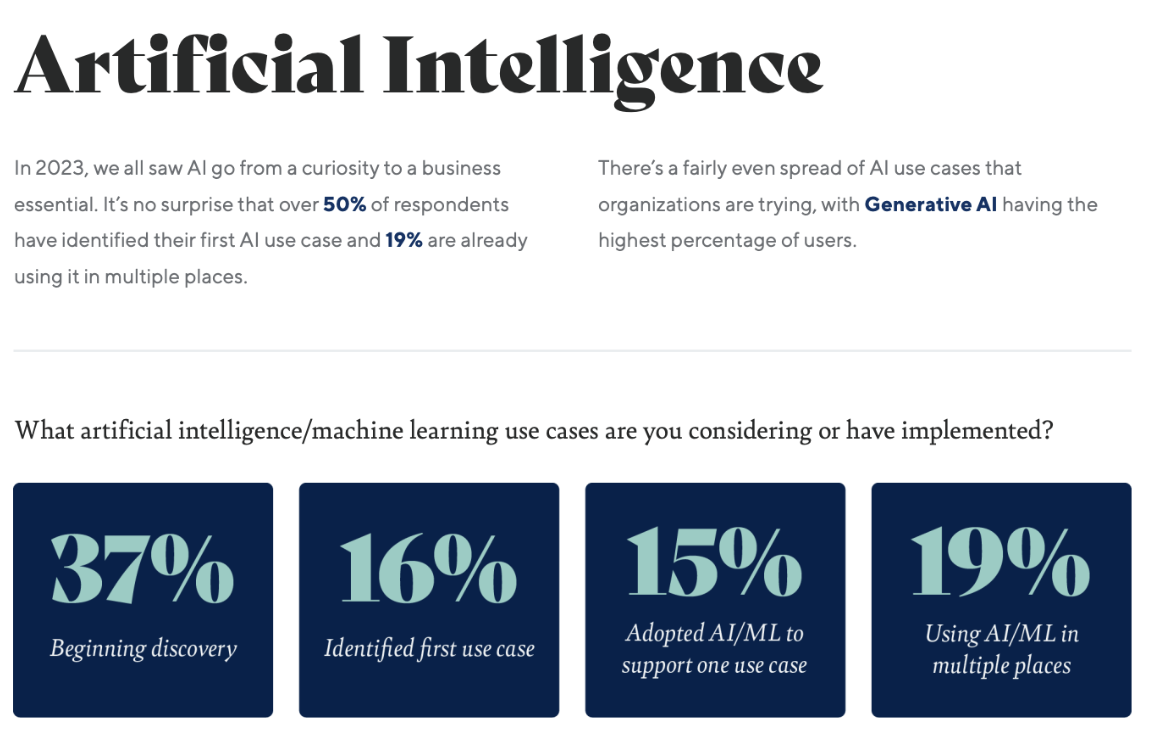
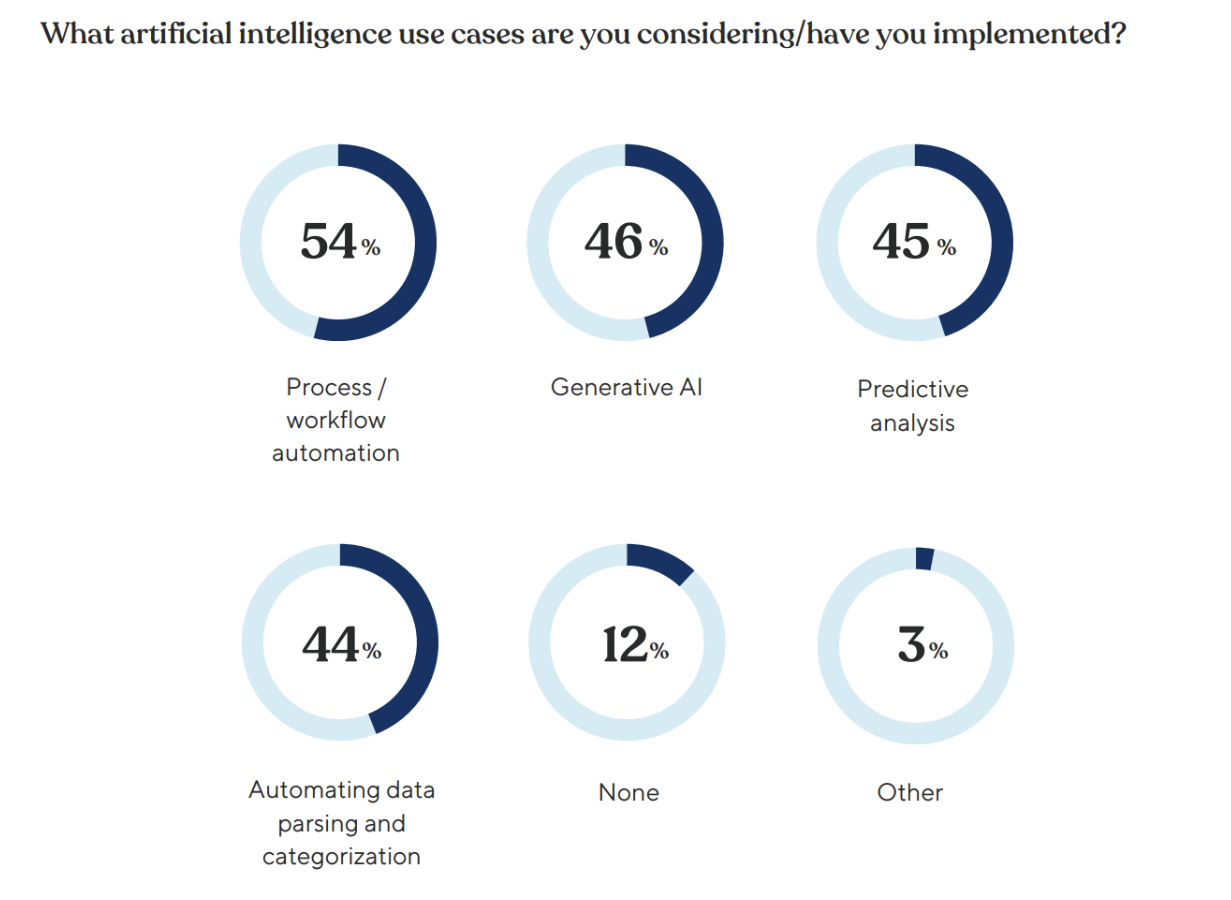
At my company, with around 100 product teams, leadership actively encouraged us to bring ChatGPT into our PM operations. We weren’t unusual. By late 2023, most product orgs had identified their first AI use case, and a fifth were already using it in multiple places.
So every PM around me was using ChatGPT and custom GPT assistants, mainly to knock out simple, bounded tasks: rewriting mission statements, generating personas, drafting summaries. Useful, but reach-for-it tooling. You opened a chat window, got your answer, closed it.
I’ll be honest about my own scorecard: the benefits were real but minor. Tighter PRDs, better test cases, grammar checks on external communication. That was it. The gap between the demo and the daily workflow was wide, and everyone quietly knew it.
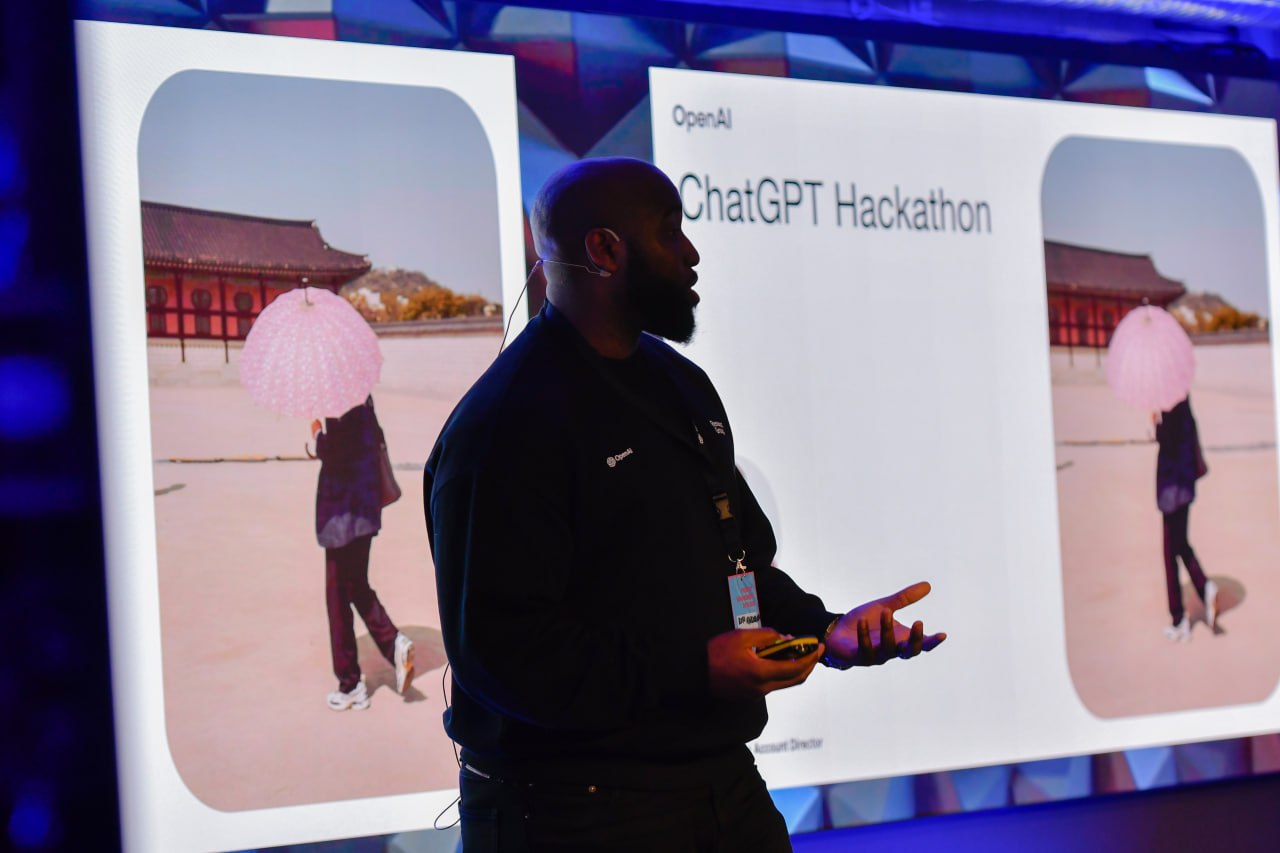
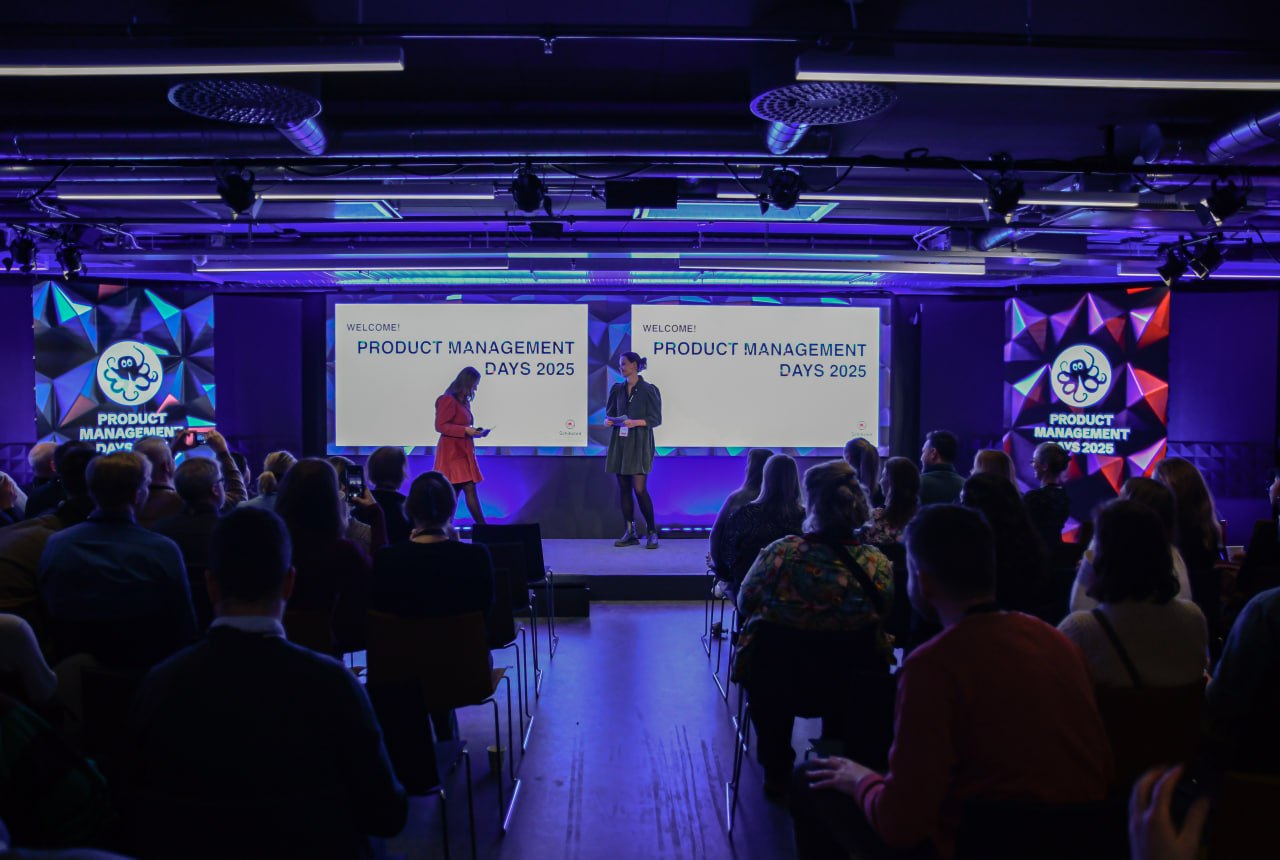
The pivot, for me, came at an internal hackathon. Schibsted’s Product Management Days, January 2025: two days with all the company’s PMs and OpenAI representatives, exploring what the API and GPT assistants could actually do inside our ecosystem. Mind-blowing at the time. We realized an assistant could hold specific context and datasets and produce genuinely custom research and analysis, not generic chat answers. But it demanded technical work: JSON instructions, API keys, authentication against internal systems. By day two I watched plenty of PMs hit that wall. One colleague signed up for a Python course on the spot.
I went the other way and built a stack of assistants myself, connected to Google Drive, Calendar, Docs, Jira, GitHub. For the first time, ChatGPT lived inside my workflow instead of beside it. No more copy-pasting tons of data between windows.
It didn’t last. Within months our product community admitted the setup was too heavy for PMs. Very few assistants survived into weekly use, let alone daily. Our AI department went looking for the next thing in augmented workflows. It arrived by the end of 2025.
What the GPT era taught us:
- AI reached PMs a year after engineers, through exactly one door. 90% of product people used ChatGPT regularly, more than used Gmail or Slack. Claude sat at 35%
- The wins were real but task-shaped: drafts, summaries, checks. Minutes saved, not workflows changed
- Customization (GPT assistants) was the era’s ceiling: powerful in demos, too heavy to stick
- The limiting factor wasn’t the models. It was the plumbing between AI and the PM’s actual ecosystem
That plumbing problem is exactly what breaks open next.
2025: Expansion, and the rise of Claude Code
Later in 2025, something special started to happen. First for engineers, as usual.
Claude Code had launched early that year as a terminal tool, and through 2025 Anthropic embedded it everywhere engineers lived: VS Code, the terminal, backed by MCP servers, plugins, custom skills, and integrations. In our company the effect was immediate. A wave of Augmented Engineering pulled most of our product teams into Claude Code first, while PMs and UX designers stood curiously aside.
I asked myself the honest question: do I, a non-technical guy, really start using a Terminal for my daily PM tasks? I was skeptical. Reluctant, even. But curiosity won.
I was among the first pioneers in our company, which mostly meant pushing through the onboarding struggle: upgrading Python packages, authorizing into the right GitHub repos, installing plugin marketplaces and skills. It cost me many late weekend nights before the new ecosystem felt like home. Worth every one of them. A whole new way of thinking and acting was opening up, and I wasn’t alone in noticing. Teresa Torres spent that period telling her Product Talk audience that using Claude Code isn’t about being technical, and that the real shift away from browser chat is that your files become your context. No more uploading, downloading, copy-pasting between windows. Sachin Rekhi made the same discovery from another angle: the agentic capabilities built for manipulating code turned out to be equally powerful for product work, whether that’s specs, reports, analyses, querying databases or browsing competitor sites.
Underneath all of it, the plumbing problem from the GPT era was being solved at industry scale. Anthropic had released the Model Context Protocol as an open standard in late 2024; by March 2025 OpenAI adopted it, Google followed in April, and MCP server downloads exploded from around 100,000 to over 8 million in six months. The walls my colleagues hit at our hackathon (a custom connector for every single tool) became a solved infrastructure layer. The chat window stopped being the interface. Even Anthropic’s own enterprise reporting captured the shift in one line: non-engineering teams were now querying their data warehouses in natural language instead of SQL.
That was the real story of 2025. Not job titles, not vacancies. Reach. PMs could suddenly query production databases, read the actual codebase, run analysis that used to require an engineer’s calendar slot. AI moved from a chat window beside the workflow into the workflow itself.
The era also taught me its price. Out of the blue, our company discontinued its OpenAI contract, and we migrated to Gemini alongside the Claude Code adoption. For a while I was properly disappointed. All those custom GPTs we’d built, integrated, evangelized. Gone. Then I made peace with what has become the defining rhythm of this period: every few months, something new arrives, and some of what you built gets left behind. Build anyway.
What the Expansion year taught us:
- The breakthrough came from engineering tools crossing over, not PM tools improving. The door was opened from the other side
- MCP quietly solved the integration problem that killed the custom-GPT era: one standard instead of a connector per tool
- The learning curve was real (terminal, repos, packages) but it was weeks of friction, not a career change
- Tool churn became the tax: workflows you invested in could vanish with a vendor contract
By the end of 2025, the pieces were all on the table: agentic tools, standard plumbing, PMs with source-code access. What happened next was giving the new way of working a name.
2026: Augmented PM, and a name for the new way of working
2026 started for me as a completely different job than the one I’d had twelve months earlier.
The death of process theater
I basically stopped using Jira, Gmail, Google Drive and Confluence as places where work happens. Fragmented SaaS sprawl, four tabs open to move one decision forward, is giving way to centralized, context-rich environments. For me that environment is Claude Code. Interconnected markdown files became the source of truth: PRDs and epics written from solid context (RFC documents, source code, Figma designs, user research) in one place, wired together via MCPs.
The old tools didn’t disappear. They became endpoints. Agents don’t just draft my emails. They read the live codebase, update meeting agendas, and capture tasks into Jira and Google Tasks straight out of a conversation. The administrative load that used to define a PM’s Tuesday is fully delegated. What’s left in those tabs is what belongs there: records, not work.
The PM as a full-stack builder
In 2025, PMs were using AI to write better PRDs for engineers. In 2026, the wall between discovery and delivery collapsed. Instead of handing off wireframes and pitching for a sprint slot, PMs spin up live, functioning prototypes: front end, back end and database logic at once.
I watched this happen at scale at our own internal conference. Product Management Days, which just one year earlier had been OpenAI reps teaching us to write JSON instructions for GPT assistants, was now PMs building a whole prototype platform together: prompting in Claude Code, designing architecture and logic, designing in Figma, wiring it into a live Replit demo. From app idea to working software, with our own hands. And enjoying it.
My personal version of that milestone: the thrilling moment my engineers gave me the green light to run our whole product platform locally on my machine, with a standing offer to push PRs if I dared. Two years ago that sentence would have been a joke at my expense. Now the bottleneck for early validation is no longer engineering bandwidth. It’s the PM’s own strategic clarity. The industry noticed too: AI fluency in product job postings grew roughly 7x between 2024 and 2026, and LinkedIn converted its Associate Product Manager program into a “Product Builder” program, training new hires across product, design and engineering at the same time.
Deep-context synthesis
Discovery changed just as much as delivery. Evaluating a pre-development opportunity no longer means wading through hundreds of feedback forms by hand. My synthesis runs on persistent context held across every project workstream, at a technical depth that used to require borrowing a data scientist and a systems architect. The question shifted from can this be built? to how does this integrate with the existing architecture?, and it gets answered before the first official sprint begins. When I verify expected behavior, I check the live codebase and the logs myself.
A permanently raised baseline
The industry caught up to a name for this in 2026. Analysts framed the year as the shift from AI that generates to AI that acts: agents that plan and execute multi-step work while the PM defines the permission boundaries. I call this way of working Augmented Product Management. AI everywhere in the product development ecosystem, across code, data, docs, design and comms, while judgment, prioritization and accountability stay human.
And the judgment part is not a consolation prize. It’s the hard part now. When an agent can build anything, the question is no longer “how do we build this?” but “should this exist at all?” The 2026 discourse is full of cautionary tales: autonomous agents optimizing prices into revenue cannibalism, the shipping high of 2025 giving way to a deployment hangover of demos that fail in production.
Infinite execution makes selection the scarce skill.
Some of the best-known voices describe themselves as unable to imagine working the old way. Amir Klein famously called himself incapable of doing his job without AI, running project-specific “second brains” across his workstreams. I’d frame it differently: not dependency, but a permanently raised baseline. Take that rainy Trondheim evening I opened with. The production databases, the annual report in thirty minutes, the diagram, the slides, the reply. None of that was a stunt. It was a Tuesday. I can still work the old way. It just looks like walking to another city when there’s a train.
What didn’t change
Here’s the part that surprised me least. The durable core of the job is untouched, and if anything more exposed.
Judgment. Prioritization. Saying no. Deciding what deserves to exist. Reading the room in a consensus culture where a decision isn’t real until the people it affects have genuinely bought in. No agent attends that meeting for you. Even the most AI-augmented PMs in every source I read for this article start where Marily Nika advised back in 2024: from the problem itself, never from the tool.
Accountability didn’t move either. When my agent drafts an email, I send it. When it maps an integration, I sign off on the assessment. The reach extended; the responsibility didn’t delegate. If anything, the raised baseline raised the stakes.
When execution is nearly free, every bad decision ships faster too.
The part everyone gets wrong
The common misread of this whole period is that AI made PMs faster at their old job. It didn’t. It changed what the job touches.
A PRD written 40% faster is not the story. The story is that the PRD now gets written from the source code, the design files and the user research at the same time, and half the time the deliverable isn’t a document at all. It’s a working prototype. The people who chased speed automated their 2023 workflow and got a slightly cheaper 2023. The people who chased reach got a different job.
The second misread is the title panic, the idea that this created a new species called the “AI PM.” It didn’t, any more than the cloud created the “Cloud PM” or APIs created the “API PM.” PM is just PM. AI is a tool. The most transformative one the role has ever had, but still a tool.
The role didn’t split. It got augmented.
What to do Monday morning
Move one workflow out of the chat window. Pick your most repetitive weekly deliverable, the status report or the metrics summary, and rebuild it in an agentic workspace with real context: files, not pasted snippets. I started with my Friday stakeholder update. It went from 45 minutes of tab-switching to a single prompt that pulls from Jira, the changelog and last week’s OKR tracker. One workflow, one week. The point isn’t the time saved. It’s feeling the difference between AI beside your work and AI inside it.
Ask your engineers for the keys. Read access to the codebase, the logs, a production replica. In my experience the door opens faster than you expect. Engineers are mostly relieved when a PM wants to check behavior instead of asking them to do it. The reach is available. Most PMs simply haven’t asked.
Reinvest the hours in judgment, not throughput. The baseline rose for everyone, so shipping more isn’t an edge. Take the time your agent saved you this week and spend it on the question no agent answers. Of everything we could now build almost for free, what actually should exist?
More on AI in Product Management in the articles ahead. If you see it differently, reach out.
The PM job didn’t get replaced. It got wider. The only question is whether you walk or take the train.
Further reading
The GPT era, 2023 to 2024
- How to use ChatGPT in your PM work, Lenny Rachitsky, April 2023. The canonical real-time catalog of the era’s use cases, with actual prompts.
- The 2024 State of Product Management Report, ProductPlan. The adoption snapshot from the 2023/24 boundary: 50%+ with a first AI use case, 19% using it in multiple places.
- Summary: AI and product management, Marily Nika in Lenny’s Newsletter, August 2024. The era’s framing, and the advice that outlived it: start from the problem itself.
- How AI will impact product management, Lenny Rachitsky, August 2024. The late-era thesis: working alongside AI becomes table stakes, like Grammarly for writing or Copilot for engineers.
The Expansion year, 2025
- Claude Code: What It Is and Why Non-Technical People Should Use It, Teresa Torres at Product Talk. The mainstream PM voice: your files become your context, and the copy-paste era ends.
- Claude Code for Product Managers, Sachin Rekhi. The deepest practitioner guide, on why agentic capabilities built for code work equally well for specs, reports and analyses.
- Why the Model Context Protocol Won, The New Stack, December 2025. The infrastructure story: MCP from side project to industry standard in under a year.
- A Year of MCP, Pento. The adoption timeline: OpenAI in March, Google in April, server downloads from ~100k to 8M+ in six months.
Augmented PM, 2026
- “I’m incapable of doing my job without AI”, Amir Klein in Lenny’s Newsletter, October 2025. The second-brain posture this article’s raised-baseline framing answers.
- AI Product Management in 2026, Institute of AI Product Management. The year’s shift in one line: from AI that generates to AI that acts.
- The Greatest PM Skill in the Agentic AI Era: Judgment, Forbes Tech Council, April 2026. The judgment thesis, with its best cautionary tale of agents optimizing revenue away.
- Future of Product Management Beyond 2026, Product Management Society. The market data: AI fluency in product postings up ~7x since 2024, plus LinkedIn’s Product Builder program.
Odyslav Bozhenko
Senior Product Manager at Vend Marketplaces, Mobility Pro. Writing about discovery, strategy, and the craft of shipping great products.
Learn more →